Research
#2 Research Meet-up: Cutting food-assistance costs by 12% without reducing nutrition
This research meetup looks at Tilburg University’s work with the United Nations World Food Programme (WFP) in Rome. The session shows how optimisation was used in operations including Iraq and Yemen, including a 12% reduction in operating costs in Iraq without reducing the nutritional value of the food ration.
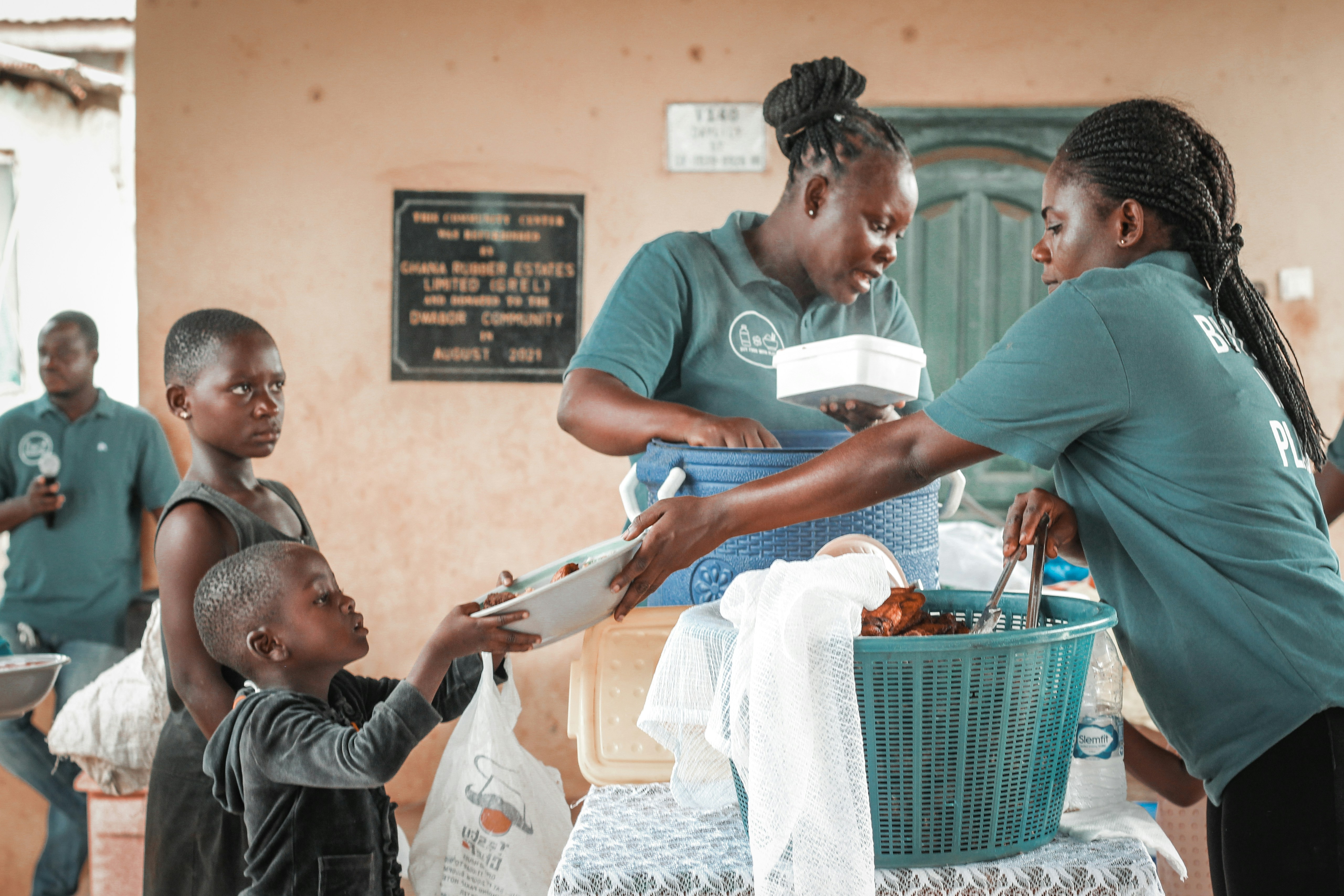
This research meetup looks at Tilburg University’s work with the United Nations World Food Programme (WFP) in Rome. The session shows how optimisation was used in operations including Iraq and Yemen, including a 12% reduction in operating costs in Iraq without reducing the nutritional value of the food ration.
How can mathematics improve food-assistance operations?
WFP is the world’s largest humanitarian organisation addressing hunger, reaching around 90 million people in 80 countries each year.
Its operations involve more than moving food from one place to another. Decisions about procurement, transport and distribution also need to account for the nutritional value of the food provided.
The work presented in this webinar connects these supply-chain decisions with nutritional objectives, allowing teams to examine both at the same time.
What did optimisation change in Iraq?
In Iraq, optimisation was used to redesign the operation while maintaining the nutritional value of the ration.
The result was a 12% reduction in operational costs.
The session will also discuss applications in other complex WFP operations, including Yemen, and show how mathematical optimisation can support decisions where funding, nutrition and logistics all need to be considered together.
What is it like to apply mathematics inside humanitarian teams?
The webinar also looks beyond the model itself.
It will discuss some of the practical realities of working as a mathematician within multidisciplinary WFP teams, where analytical questions need to connect directly to operational priorities such as moving food and reaching people experiencing hunger.
What came next?
The work contributed to the development of the Zero Hunger Lab (ZHL) at Tilburg University in the Netherlands.
The webinar will discuss how that initiative builds on the collaboration with WFP and continues the use of mathematics and analytics on questions related to hunger and humanitarian operations.
More updates

News
The Hidden Millions in Humanitarian Logistics
Humanitarian organisations face a difficult equation: growing needs, shrinking budgets and millions of people who may not receive the assistance they require. Yet one of the largest opportunities to close this gap may be hiding in plain sight: the way humanitarian aid is procured, stored, transported and delivered.
Read more

Research Updates
New optimisation method makes huge-scale water-well planning solvable
A research project that began through the Analytics for a Better World Fellowship, responding to a Red Cross challenge in West Darfur, has been accepted for publication in OMEGA. The study develops a scalable way to identify where water wells could be placed so that as many people as possible live within 500 metres of one.
Read more

Research Updates
Ocean-plastic optimisation research wins INFORMS sustainability award
Research by Analytics for a Better World, the University of Amsterdam, London Business School and The Ocean Cleanup has received the INFORMS ENRE Best Publication Award in Environment and Sustainability.
Read more